
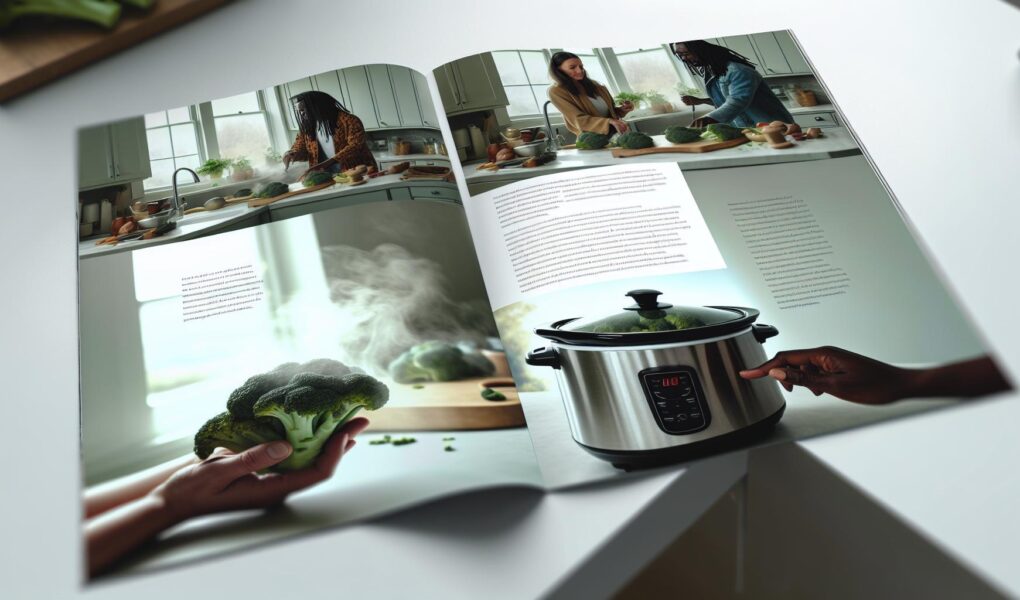
did you know broccoli keeps most of its nutrients when gently cooked low and slow? Figuring out exactly how long too cook broccoli in a slow cooker on low can feel like a guessing game-too little time, and it’s tough; too long, and it turns mushy and sad. Whether you’re aiming for perfectly tender broccoli to pair with your paleo dinner or a swift, healthy side that fits your gluten-free lifestyle, getting the timing just right makes all the difference. I’ve tested simple, fuss-free methods that bring out broccoli’s best texture and flavor without turning your slow cooker into a green mush factory. If you want to unlock that ideal balance between soft and crisp, stick around-I’ll share easy tips, smart ingredient swaps, and tried-and-true timing so your slow cooker broccoli is perfect every time, no stress, no guesswork. Because life’s busy and dinner should be delicious, not complicated.
Table of Contents
- How to Prepare Broccoli for Slow Cooking Success
- perfect Slow Cooker Cooking Time on Low Setting
- Signs your Broccoli Is Done (Texture & Taste Tips)
- Adjusting Cook Time for Fresh vs. Frozen Broccoli
- Best Seasonings and Add-Ins for Flavor Boost
- Keeping Broccoli Vibrant and Nutrient-Rich in the Slow Cooker
- easy Broccoli Recipes Tailored for Slow cooking
- Troubleshooting Common Slow Cooker Broccoli Issues
- How to Reheat Leftover Slow Cooker Broccoli Perfectly
- Balancing Broccoli with Other Slow Cooker Veggies
- FAQ
- Q: Can I add other vegetables when cooking broccoli in a slow cooker on low? A: Yes, you can add other slow cooker-friendly veggies like carrots or cauliflower, but adjust their cooking times accordingly. Add denser vegetables at the start to cook evenly with broccoli. For tips on balancing broccoli with other veggies, check out our section on balancing Broccoli with Other slow Cooker Veggies for perfect results and flavor harmony. Q: What is the best way to prevent broccoli from turning mushy in a slow cooker?
- Q: How does cooking broccoli on low in a slow cooker affect its nutrient content?
- Q: Can I cook frozen broccoli on low in a slow cooker without thawing first?
- Q: Why does slow cooker broccoli sometimes have a bitter taste, and how can I fix it?
- Q: How do I make slow cooker broccoli taste fresh rather of cooked down?
- Q: Is it possible to cook broccoli in a slow cooker on low if I’m following a paleo or gluten-free diet?
- Q: Can I cook entire broccoli heads in a slow cooker on low, or should I use florets?
- To Conclude
How to Prepare Broccoli for Slow Cooking Success
Broccoli is a superstar veggie that can sometimes throw slow cooker newbies a curveball if not prepped with a little strategy. The key to nailing your slow cooked broccoli lies in balancing texture and flavor while avoiding that dreaded mushy or bitter pitfall. The good news? It’s easier than you think – with just a few fast prep steps, your broccoli will shine bright and taste fantastic after hours in the crockpot.
Start by selecting fresh, vibrant broccoli heads-those with firm stalks and tightly closed florets are your best bet.Wash them well, then cut into uniform-sized florets so they cook evenly. Thick stems can take longer to soften, so don’t be afraid to peel and slice them into smaller pieces. If you’re in a hurry or want a shortcut, some lightly blanched frozen broccoli can work-just remember it’ll soften quicker, so adjust your timing accordingly. I like to toss the pieces with a splash of olive oil or a dab of butter before adding to the slow cooker; this little tip adds flavor while helping prevent any sogginess.
- Trim and cut broccoli into 1 to 1.5-inch florets for perfect bite-sized pieces.
- Peel thicker stems and slice (don’t discard!) for added texture.
- Pat dry or lightly oil florets to keep them vibrant and flavorful.
When layering the slow cooker, place your broccoli on top of heartier ingredients or a layer of onions or garlic to create a gentle steam bath. This helps broccoli cook evenly without sitting in water at the bottom-which often turns it limp.From personal experience, this simple tactic saved me from broccoli stew disasters in early kitchen experiments! Slow and low is the mantra, but with a bit of prep love upfront, your broccoli will emerge tender with a slight bite and a fresh, garden-fresh aroma that makes every bite a joy.
Pro Tips for Prepping Broccoli
- Use a sharp knife for clean cuts-no bruised edges!
- If you want a slight crunch, add broccoli towards the final hour of cooking.
- Mix in lemon zest or a pinch of sea salt before cooking to intensify flavor.
Remember, slow cooker broccoli prep doesn’t have to be fancy or time-consuming. With these easy, freind-approved tips, you’ll soon be confident making broccoli-centric slow cooker meals that satisfy paleo, gluten-free, and comfort food cravings alike-without fuss or guilt. Now, let’s get cooking!
perfect Slow Cooker Cooking Time on Low Setting
Broccoli is one of those veggies that loves a gentle, slow simmer-but it definitely doesn’t appreciate being left in the slow cooker for hours on end like tougher ingredients do. Cooking it on the low setting requires a careful dance between time and texture to keep those florets tender yet still vibrant, avoiding that sad mushy mess. In my experience, broccoli hits the sweet spot after about 1 to 2 hours on low, depending on the size of your florets and whether you’re using fresh or frozen. This timeframe lets the broccoli soften just enough to melt in your mouth but still hold onto some body and color.
If you’ve ever tossed broccoli into a slow cooker for the entire day and ended up with a green puddle,you’re not alone. That’s because slow cooker temps on low hover around 190°F (88°C), which is terrific for stewing or brisket…but can quickly turn delicate broccoli into something resembling veggie soup. The trick I use is to add broccoli during the last 60-90 minutes of cooking once your other ingredients are nearly done. This way, the broccoli steam cooks evenly and flavor integrates beautifully without overcooking. For smaller florets, lean toward 45-60 minutes, and for chunkier pieces or peeled stems, closer to 90 minutes works best.
- Fresh broccoli florets: 1 to 2 hours on low is ideal.
- Frozen broccoli (lightly blanched or thawed): 45 minutes to 1 hour on low to avoid over-softening.
- Add broccoli on top of other slow cooker ingredients to benefit from steam rather than direct liquid contact.
One handy trick I swear by is to keep broccoli pieces cut evenly-aim for around 1 to 1.5 inches across-so they cook uniformly. If you like a little bite left in your broccoli (who doesn’t?), pop it in even later, like the final 30-45 minutes, especially if your slow cooker tends to run hot. And if you’re multitasking in the kitchen, no judgments here-frozen broccoli tossed in near the end makes for a fast, nutritious shortcut that keeps your meal on schedule. This modest tweak lets you enjoy the best of both worlds: slow cooker convenience and that fresh, punchy broccoli flavor.
Broccoli in the slow cooker doesn’t have to be a guessing game. With a little timing finesse, you’ll get tender, vibrant broccoli every time-perfect for paleo, gluten-free, or just pure comfort-food goodness without fuss. So next time you’re layering your slow cooker feast, remember: patience plants the seeds for broccoli bliss!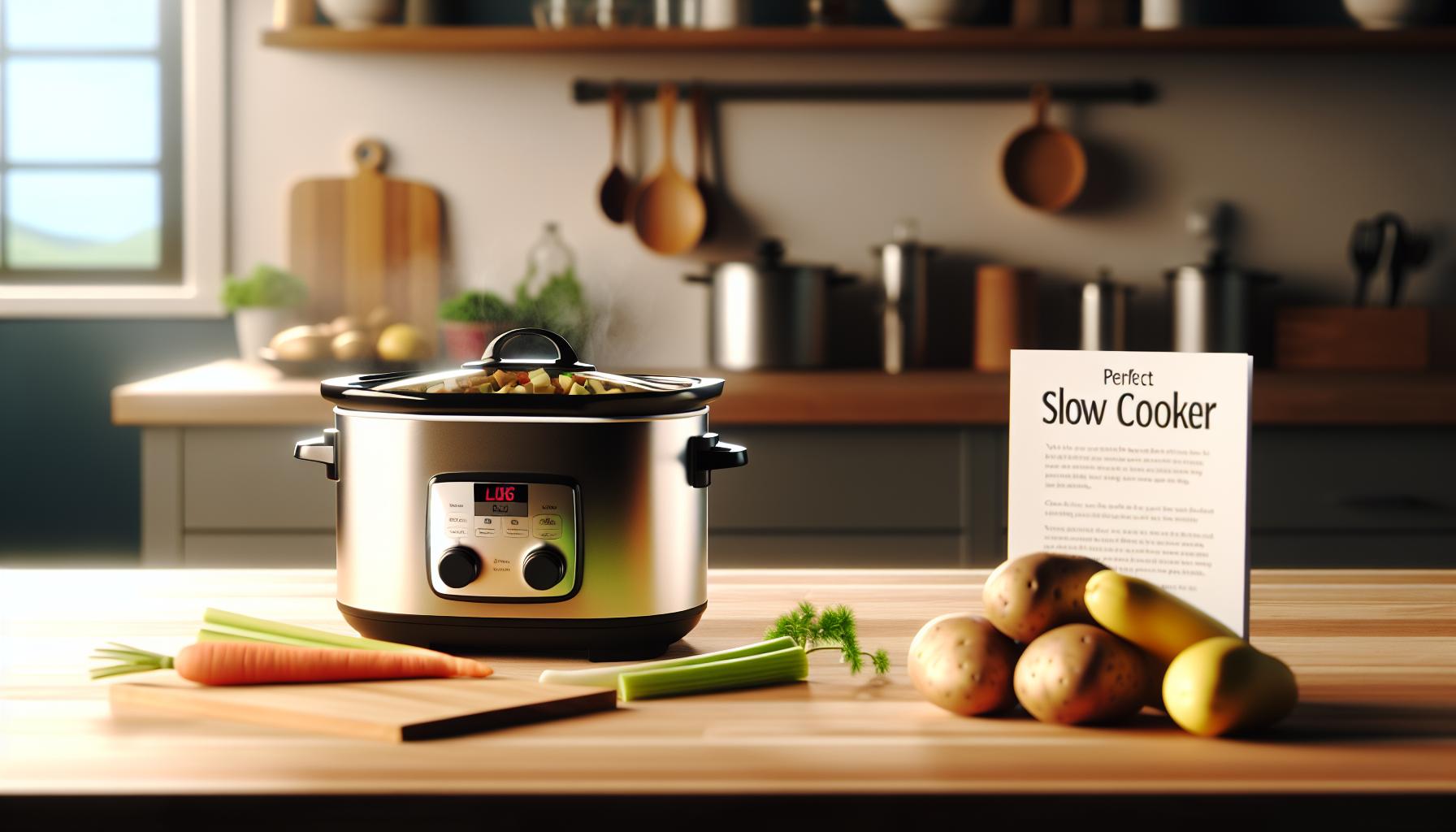
Signs your Broccoli Is Done (Texture & Taste Tips)
Broccoli is one of those tricky vegetables where the line between perfectly tender and disappointingly mushy is razor-thin, especially in a slow cooker. A good rule of thumb? The moment your broccoli feels *just* soft enough to pierce easily with a fork but still offers a slight resistance, you’re golden. This texture keeps it fresh and vibrant, which is key to elevating your slow cooker dishes beyond boring mush. Remember, slow cooking softens flavors and textures gradually, so tasting is your best friend here-trust your palate over the clock!
when you take that first bite, your broccoli should have a gentle snap. If it crumbles or turns watery, it’s been lounging in the slow cooker too long. On the other hand,if it’s tough-kind of like eating little green sticks-then you’ve got a little more patience to muster. Because broccoli flavor lives in the balance between tender and crisp,I usually recommend adding it late in the cooking process-typically the last 1 to 2 hours on low-so it absorbs moisture and seasonings without dissolving into oblivion. Plus, that fresher texture pairs beautifully with other slow-cooked goodness, adding a welcome pop of color and crunch.
Color and Aroma Clues
The eyes aren’t lying-vibrant green florets mean your broccoli is still packed with nutrients and looks as appetizing as it tastes. If you notice a dull yellowish tint creeping in, it’s a sign the broccoli has overcooked, and some nutrients are on their way out. Aromatically,properly cooked broccoli will have a mild,earthy fragrance-not the sharp,sulfurous smell that overlong cooking tends to unleash. Pungent broccoli not only smells less inviting but also signals a texture that’s veering into mushy territory.
Quick Texture Test Tips
- Fork Tender: Gently poke a floret with a fork. It should slide in smoothly but not fall apart.
- Snappy Bite: Take a quick bite to check for slight crunch-you want it to feel alive, not limp.
- Visual Check: Still bright green and fresh-looking means prime eating time.
In my kitchen,I keep a timer handy but rely more on these sensory checks. Don’t hesitate to adjust cooking times based on your slow cooker model or broccoli cut size. Everyone’s slow cooker cooks a little differently, and part of the fun is learning what works best for your setup. If you’re multitasking, tossing in smaller florets for the final 30-45 minutes usually guarantees a tasty, nutrient-rich hit without fuss. And hey, if life gets busy and your broccoli cooks a bit longer, just rescue it quickly with a cold water bath to stop the cooking-it’s a chef’s shortcut to perfection when you’re juggling dinner prep like a pro.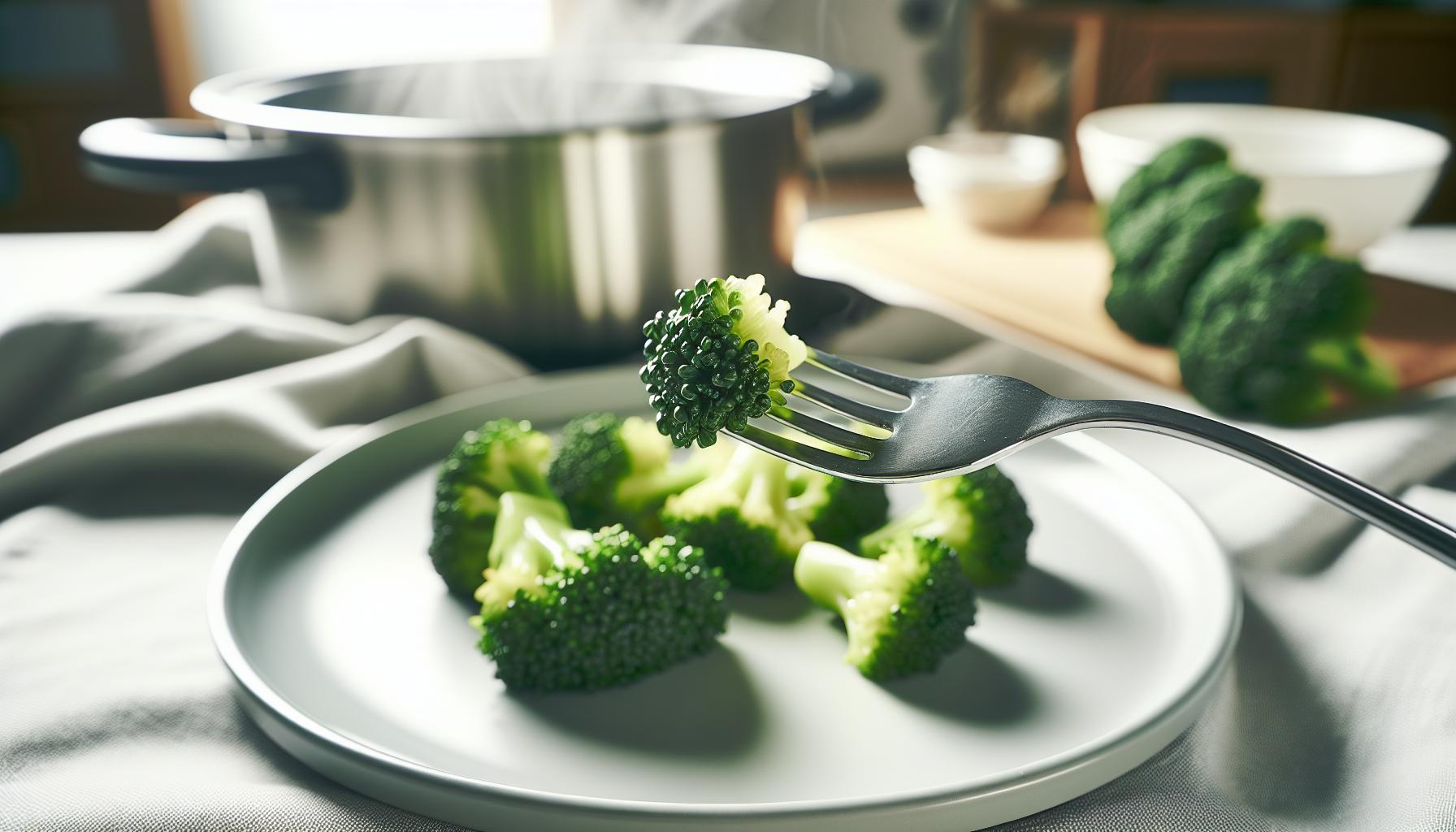
Adjusting Cook Time for Fresh vs. Frozen Broccoli
Fresh and frozen broccoli behave quite differently in the slow cooker, and recognizing these quirks can save you from ending up with mushy or flavorless greens. The fun part? Neither choice is “better”-each just needs a little tweak in cooking time and handling to shine on your plate. Think of it as slow-cooking broccoli with a personality tailored to its origin story.
Fresh broccoli, with its vibrant texture and full moisture content, usually thrives when added during the last 1 to 2 hours of cooking on low. This short window lets it soften just enough while maintaining that delightful snap and bright color that says “I’m freshly cooked!” Too long in the slow cooker, and fresh broccoli can quickly tip into soggy territory, losing nutrients and that pleasant bite. So, if you’re layering it with other ingredients, add fresh broccoli near the finish line. Personally, I toss in crisp fresh florets about 45 minutes before I plan to eat, especially if I’m preparing a paleo or gluten-free stew that’s been bubbling all day.
Frozen broccoli, on the other hand, comes with its own chill-factor and frequently enough contains extra moisture from freezing and thawing. As it’s technically pre-cooked (or at least blanched) before freezing, frozen broccoli needs less cook time in the slow cooker to avoid a mush-fest. the timing here is tighter-usually just 30 to 45 minutes on low near the end of your slow cooker session does the trick. Another pro tip: don’t thaw frozen broccoli fully before adding it in. Toss it in frozen for better color retention and less nutrient loss, letting the slow cooker gently bring it back to life without overcooking. Frozen florets work wonders when you need convenience without compromising texture too much.
Quick Comparison Table
| Broccoli Type | When to Add | Approximate Cook Time on Low | Texture Result |
|---|---|---|---|
| Fresh | Last 1-2 hours of cooking | 45-90 minutes | Tender yet snappy, vibrant green |
| Frozen | Last 30-45 minutes of cooking (add frozen) | 30-45 minutes | Soft but not mushy, slightly milder flavor |
Every slow cooker model heats differently, so it’s always smart to check your broccoli’s texture with a quick fork test before turning off the heat. And if you’re in a mood to experiment, layering broccoli at different times can be a fun way to customize softness or crunch for your particular family or dietary preferences. Just remember: fresh broccoli appreciates a gentler, shorter cook time, and frozen broccoli’s chill can work to your advantage by controlling pace and texture.
By understanding these nuances, you can confidently use whichever broccoli life gifts you-from fresh farmers’ market finds to freezer staples-and always end up with broccoli that looks great, tastes vibrant, and feels just right in your slow cooker creations. Consider this your backstage pass to broccoli slow cooker success, served with a side of kitchen confidence and zero judgment on shortcuts!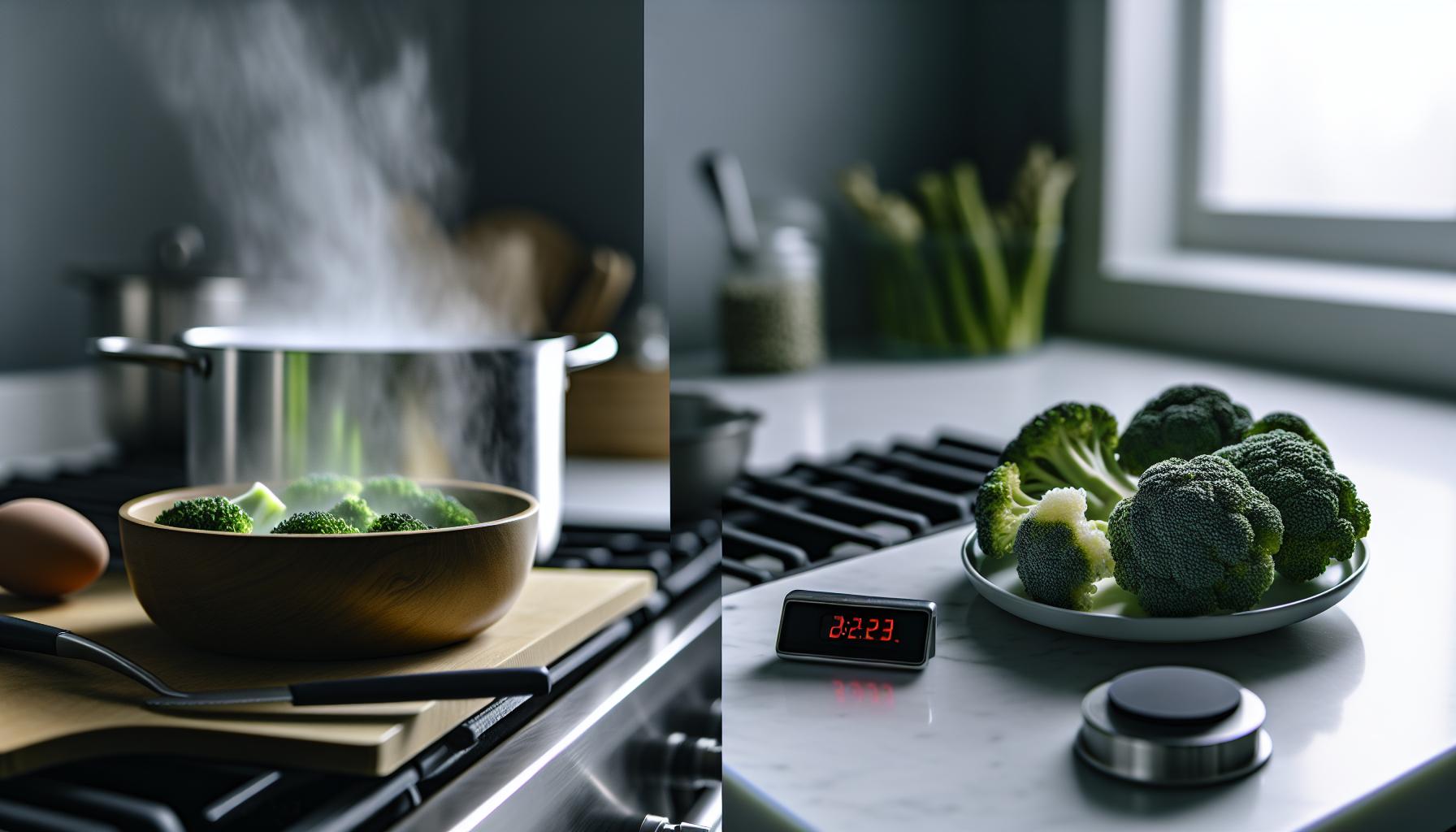
Best Seasonings and Add-Ins for Flavor Boost
Broccoli is a fantastic blank canvas in the slow cooker,ready to soak up flavors that turn simple steaming into a culinary delight. To keep your broccoli from tasting like a sad afterthought, layering in the right seasonings and add-ins is essential-and luckily, that’s both easy and fun to customize. Whether you’re rolling paleo, gluten-free, or just craving vibrant comfort food, a little seasoning magic can go a long way in transforming broccoli into the star of the slow cooker.
Keeping it simple yet flavorful, start with classic seasonings like garlic powder, onion powder, and a pinch of sea salt. These basics never fail to add warmth and depth without overpowering broccoli’s natural earthiness. If you have fresh garlic or shallots, toss those in for aromatic sweetness that slowly mellows as your meal simmers away. don’t shy from some freshly cracked black pepper for a little kick that wakes up your taste buds gently. A squeeze of lemon juice or a sprinkle of lemon zest right before serving brightens the whole dish and keeps things fresh and lively.
Herbs and spices that elevate without fuss
For a paleo- or gluten-free twist, herbs like thyme, rosemary, or oregano complement broccoli beautifully, mingling with slow cooker moisture to infuse subtle woodsy notes. A teaspoon of smoked paprika or ground cumin provides a warm smokiness or earthiness perfect for cozy dinners. If you want a bit of heat, red pepper flakes deliver a gentle nudge without steaming your broccoli into obscurity.
Cheese, nuts, and add-ins for that wow factor
While cheese might not be universal in paleo circles, many gluten-free eaters adore adding Parmesan or aged cheddar near the end of cooking for richness and umami. Toasted pine nuts or slivered almonds sprinkled over the top just before serving add a crunchy, buttery contrast that’s irresistible. For something a bit different but still nutrient-dense, stirring in sun-dried tomatoes, chopped olives, or even cooked bacon bits makes each forkful a savory surprise.
- Paleo-amiable seasoning combo: garlic,thyme,lemon zest,smoked paprika
- Gluten-free and cheesy: garlic powder,onion powder,Parmesan,crushed red pepper flakes
- Simple,fresh,fast: salt,pepper,fresh lemon juice,pine nuts or almonds
Remember,when adding delicate extras like fresh herbs or cheese,it’s best to do so in the last 20-30 minutes of cooking. this keeps flavors bright and textures satisfying without turning everything mushy. Trust me, after many kitchen adventures (and a few broccoli disasters), balancing timing with seasonings is your secret weapon for slow cooker broccoli that feels fresh, flavorful, and unforgettably good. So go ahead-experiment with your favorite add-ins and watch this humble veggie steal the slow cooker spotlight!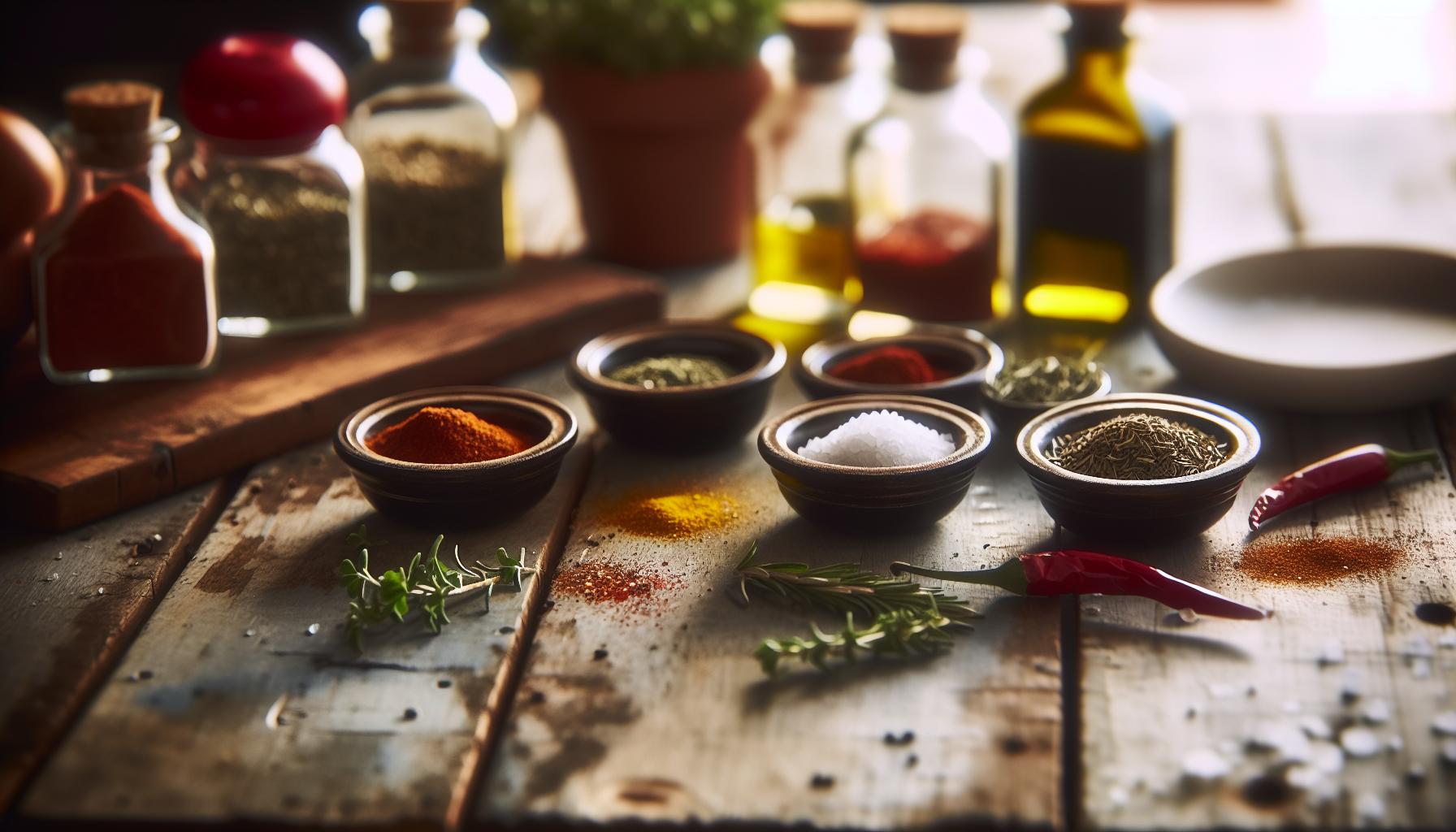
Keeping Broccoli Vibrant and Nutrient-Rich in the Slow Cooker
Broccoli’s vibrant green color and its treasure trove of nutrients are what make it a star in any dish, but they can be a bit tricky to preserve in the slow cooker. Since slow cooking typically relies on low temperatures and longer cook times, it’s easy to overdo it and end up with dull, mushy broccoli that lost its nutritional punch. The secret? Timing and a little kitchen finesse can keep your broccoli bright, crisp-tender, and packed with goodness-perfectly suited to your paleo or gluten-free lifestyle without sacrificing flavor or texture.
Start by adding broccoli toward the end of your slow cooker’s schedule. Because broccoli cooks quickly compared to most slow cooker staples, tossing it in during the last 30 to 45 minutes (on low) allows the veggie to soften just enough to be tender-crisp but not so long that it loses its bright color and delicate crunch. from my own kitchen adventures, I learned the hard way that broccoli submerged in liquid for the entire slow cook time becomes an unappealing grey-green, like it needed a nap it never got-so timing really is everything!
Maximizing Nutrients With Smart Prep and Additions
Broccoli’s health magic lies in its vitamin C, folate, fiber, and those powerful antioxidants. Many of these nutrients are water-soluble-meaning excessive cooking or sitting in liquid can leech them out. To keep those vitamins locked in, give your broccoli a vrey quick pre-steam (1-2 minutes) or even a cold water rinse after slicing to reduce surface dirt but avoid soaking it.Then,add it to the slow cooker with minimal added water or broth to prevent nutrient loss through dilution. for added nutrient retention and flavor, toss in lemon zest or a splash of vinegar right before serving, as acids help preserve color and amplify taste without extra calories.
tips for Vibrant Color and Texture
- Use firmer stalks and tight crowns: Fresh broccoli with crisp stalks holds up better than limp or overripe pieces.
- Don’t overcrowd: Give broccoli some breathing room in the cooker so steam can circulate evenly-crowding leads to sogginess.
- Cook uncovered near end if possible: Leaving the lid off for the final 10 minutes lets excess moisture evaporate,preventing soggy broccoli.
- Season late: Add delicate herbs or cheese in the last 20 minutes to keep broccoli looking and tasting fresh.
If you’re juggling multiple veggies, consider layering broccoli on top of heartier items like carrots or potatoes, so it’s exposed to the steam but not drowning in liquid. This simple technique helps maintain texture while still infusing those splendid slow cooker aromas.
slow cooker broccoli is all about balance-embracing the ease and depth of slow cooking while honoring broccoli’s quick-cooking nature. Treat it gently with well-timed additions and minimal liquid, and you’ll serve up a side that’s as nutrient-rich and lively as it is comforting.Trust me, your taste buds and your busy schedule will thank you!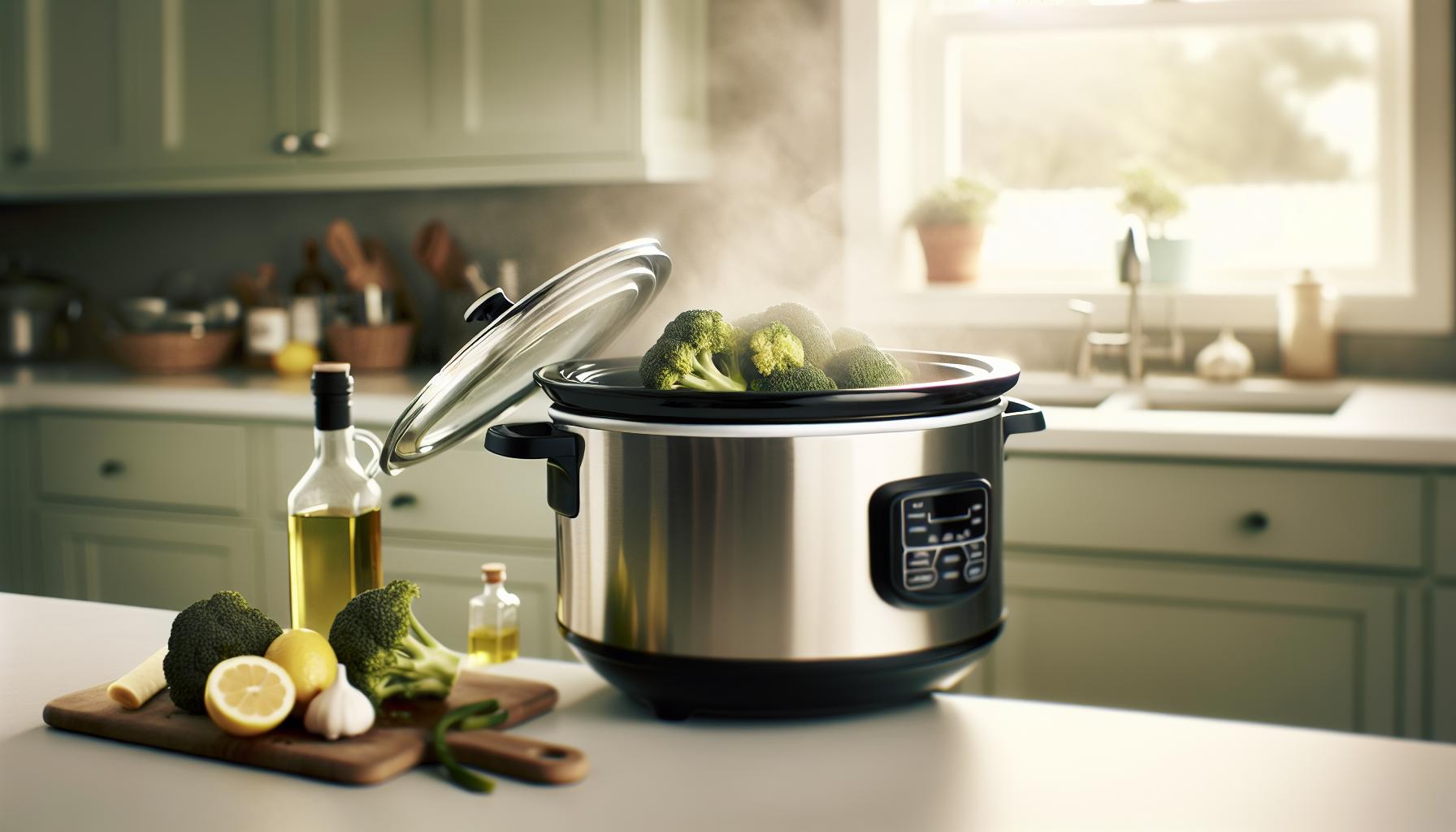
easy Broccoli Recipes Tailored for Slow cooking
Few veggies adapt as well to the slow cooker as broccoli-when you handle it right. The trick is to treat broccoli as the quick-cooking superstar it is indeed, letting it shine alongside long-simmered dishes without turning mushy or gray. This means adding it late in the game, layering flavors strategically, and embracing simple tweaks that make your slow cooker broccoli feel anything but boring.Whether you’re aiming for paleo, gluten-free, or just a fuss-free weeknight side, slow cooker broccoli can be your new kitchen MVP.
One of my go-to slow cooker broccoli recipes pairs it with tender chicken thighs, garlic, and a touch of coconut aminos for a paleo-friendly spin that’s both comforting and fresh. Start by slow cooking the chicken on low for 4 hours with garlic, onions, and a splash of broth. Then, toss in chopped broccoli for the last 30-40 minutes. The result? Broccoli that’s tender yet still vibrant-far from overcooked or soggy-plus a juicy, flavor-packed main you can plate straight from the pot. Want a veggie-only option? try a slow cooker broccoli and cauliflower medley with lemon zest, toasted almonds, and fresh herbs added at the end. The layering of textures and bright flavors feels surprisingly gourmet with almost zero effort.
Easy Slow Cooker Broccoli and Chicken
- Dietary: Paleo, gluten-free
- Prep: 10 minutes
- Cook: 4 to 4.5 hours on low
- Difficulty: easy
- Season chicken thighs with salt, pepper, and smoked paprika. Place in slow cooker with minced garlic and diced onion.
- Add ½ cup chicken broth and a splash of coconut aminos for umami depth.
- Cook on low for 4 hours.
- Chop fresh broccoli into bite-sized florets and add on top of cooked chicken. Cover and cook for an additional 30-40 minutes.
- Before serving, drizzle lemon juice and sprinkle freshly chopped parsley for brightness.
substitutions: Use tamari in place of coconut aminos if preferred, or swap out chicken for turkey cutlets in a pinch. This recipe is straight comfort food with a healthy twist that even picky eaters love.
Broccoli and Cauliflower Slow Cooker Side
- Dietary: Vegan, gluten-free
- Prep: 5 minutes
- Cook: Last 30-40 minutes of your slow cooker meal
- Difficulty: Effortless
If you’re already slow cooking a stew or chili, layering broccoli and cauliflower florets on top during the last 30 minutes is an effortless way to add green goodness. toss in a teaspoon of lemon zest, sprinkle slivered almonds halfway through cooking, and finish with a handful of fresh basil or thyme just before serving to amp up flavor and texture. This quick add-in elevates your meal without extra pots or pre-prep-a true slow cooker win.
These recipes prove that slow cooker broccoli doesn’t have to be an afterthought or a soggy sidekick. By respecting broccoli’s need for short cooking time and pairing it thoughtfully, you can have slow cooker meals that balance nutrition, brilliance, and ease. Plus, your kitchen-and your schedule-will thank you. Cooking broccoli slow doesn’t mean it has to slow down your dinner game!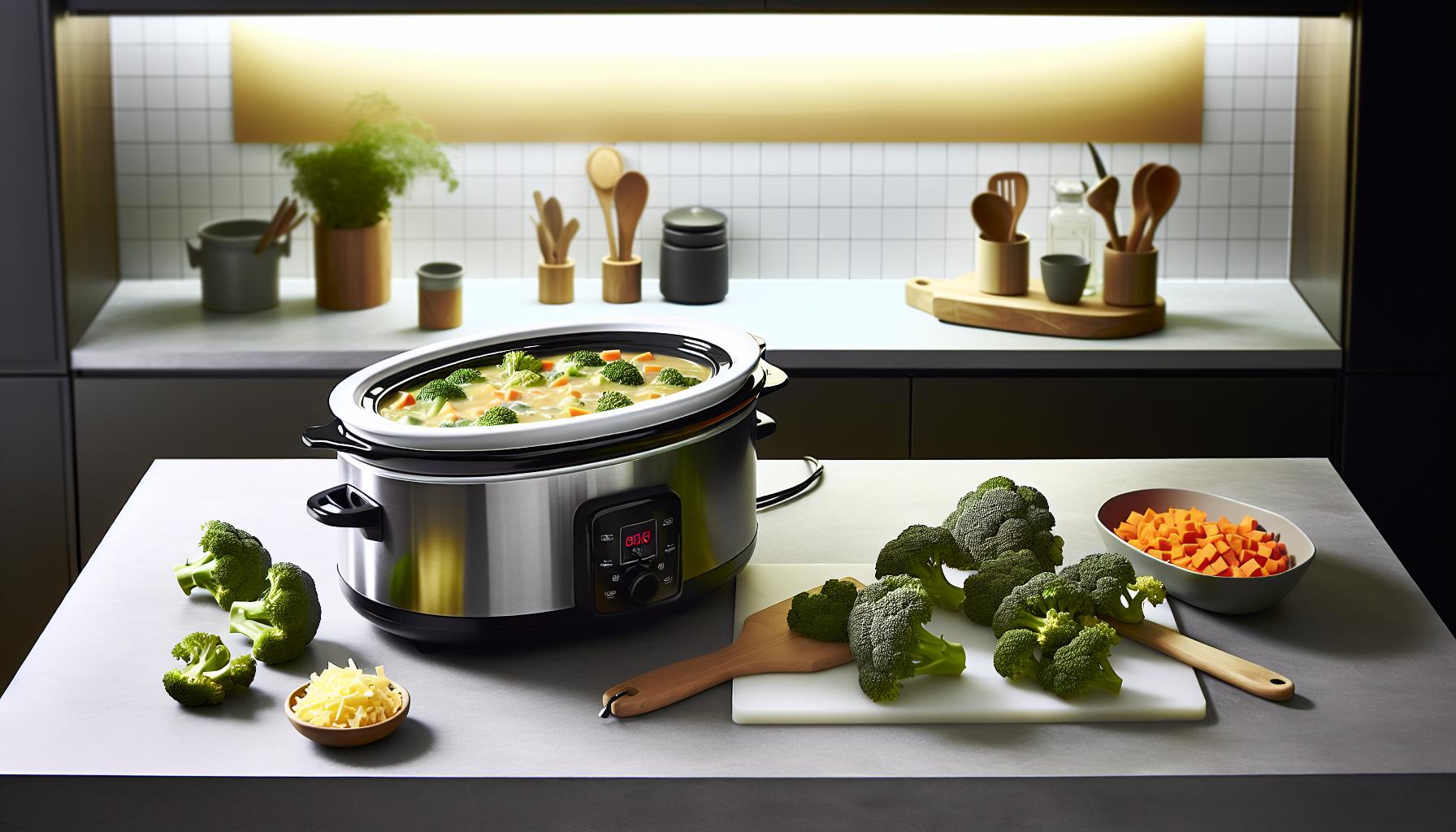
Troubleshooting Common Slow Cooker Broccoli Issues
Cooking broccoli in a slow cooker is a gentle art – get it wrong, and you might end up with a mushy, dull green mess instead of a vibrant, tender side dish. The secret lies in timing and a few little tricks that ensure your broccoli stays as fresh and flavorful as the day you bought it.If you’ve ever struggled with limp florets or grayish hues,don’t worry-you’re in good company. Let’s troubleshoot some common hiccups and get your slow cooker broccoli looking and tasting fabulous every time.
One of the biggest rookie mistakes is adding broccoli too early. Because it’s a quick-cooking veggie, long exposure to low heat can break down its texture and color, leaving you with something that resembles baby food (not the goal!). Always reserve your broccoli for the last 30-40 minutes of cooking. This short window is just enough to soften it perfectly without sacrificing that lovely bright green or slightly crisp bite. Remember,fresh broccoli cooks faster than frozen,so frozen florets might need a few extra minutes,but usually no more than 45.
Sometimes the broccoli ends up gray or dull after slow cooking, which is usually a sign of overcooking or insufficient acidity. A splash of lemon juice, a quick toss with some vinegar, or finishing your dish with fresh herbs post-cooking revitalizes color and adds zest. acid brightens broccoli like magic! Also, avoid lifting the slow cooker lid too often, as this extends cooking time unnecessarily and lets heat escape, leading you to crank up the time-and risk mushiness.
Common issues and Solutions
- Overcooked, soggy broccoli: Add broccoli later in the cook cycle and use fresh florets if possible. Frozen broccoli requires slightly longer but watch closely.
- Dull, grayish color: Finish with lemon juice or fresh herbs. Avoid acidic ingredients too early-add them toward the end to preserve the crunch and color.
- Uneven cooking: Cut florets into uniform bite-sized pieces,layer them evenly on top of other ingredients,and don’t overcrowd the pot.
- Bitter taste: Could be caused by old broccoli or prolonged cooking. Fresh is best. Balance bitterness with a touch of sweetness like a drizzle of honey or coconut aminos.
I once left broccoli in for nearly an hour too long as I got caught up prepping the rest of dinner-it was basically green mush on a plate. Now, I set a timer and treat the broccoli like a guest star who needs a short but shining stage appearance. Works like a charm every time. Slow cooker broccoli can be just as joyful as any fancy sauté or steamed dish when you respect its quick-cooking nature. Plus, with these tips, you’ll never feel like broccoli is slowing down your dinner game again!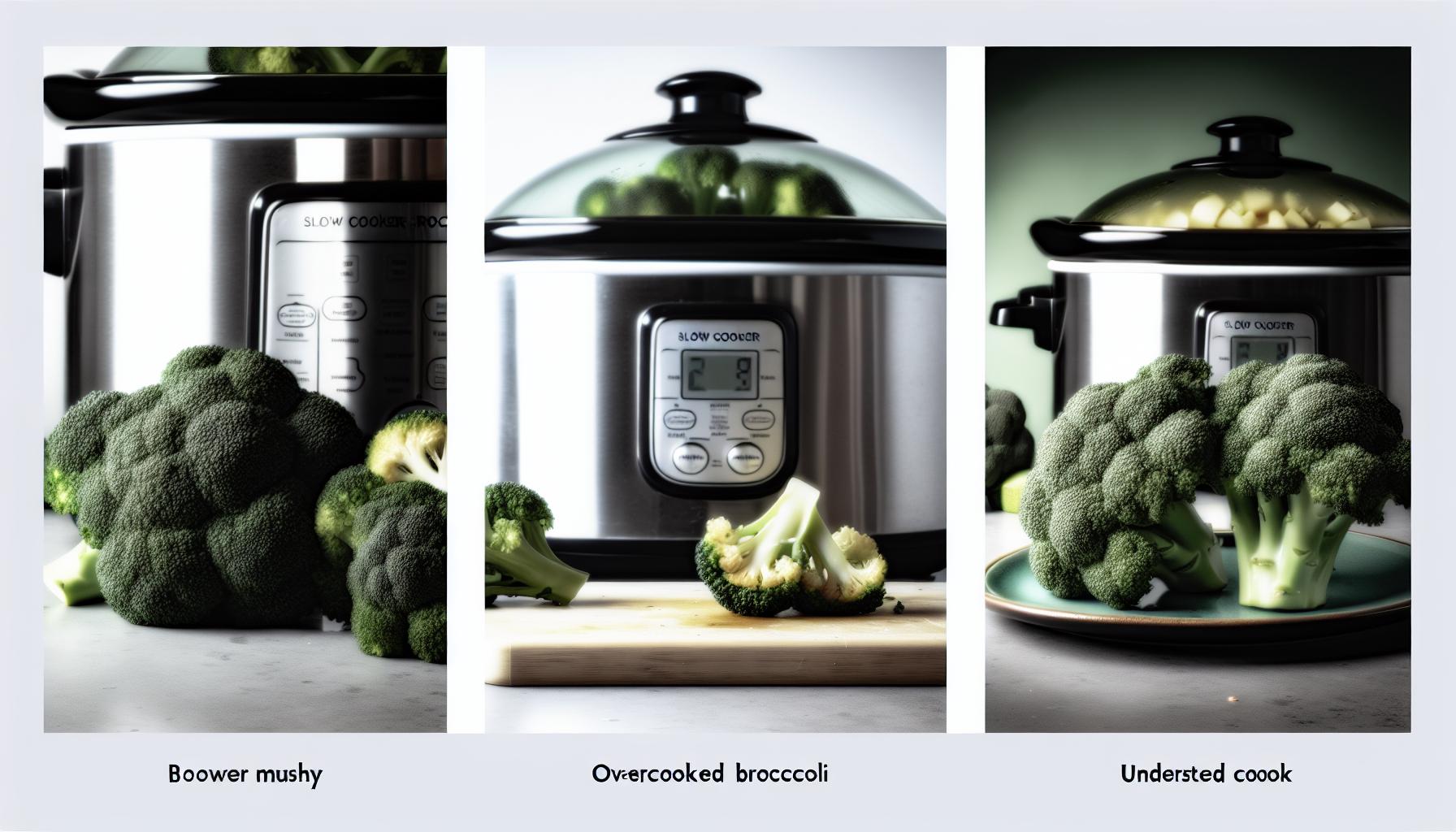
How to Reheat Leftover Slow Cooker Broccoli Perfectly
broccoli that’s been slow-cooked to perfection is a delightful side dish, but reheating it without turning those tender, vibrant florets into sad little green mush can feel like a kitchen challenge. The secret? Treat leftover slow cooker broccoli gently and with a plan, as reheating is all about preserving that tender-crisp texture and fresh flavor you worked hard for. Whether your dinner got away from you or you’re just pairing leftovers with a new meal, a few simple tips will make your broccoli shine again.
When warming broccoli,avoid the microwave lottery that can dry it out or make it rubbery. Instead, reheat gently on the stovetop or use the oven to maintain texture and color. Here’s a quick method: toss your broccoli in a hot skillet with a drizzle of olive oil or a splash of broth, and heat it over medium-low heat, stirring frequently. This not only warms your broccoli evenly but invites a little caramelization, bringing back some of that fresh-cooked charm. If you want to brighten things up, finish with a squeeze of lemon juice or a sprinkle of fresh herbs like parsley or dill right before serving-acid and freshness really revive those flavors.
If you’re short on time, the microwave isn’t off-limits-it just needs a gentle touch. Place broccoli in a microwave-safe dish, cover it loosely with a microwave-safe lid or damp paper towel to trap steam (which keeps it from drying out), and heat in 30-second bursts. Stir between each burst to ensure even warming and to avoid hot spots that cook the broccoli unevenly. This approach keeps the texture intact and avoids turning your broccoli into a limp,sad side dish. Bonus: add a tiny splash of water or broth before microwaving to create a steamy habitat, further protecting your broccoli’s texture.
- Stovetop Reheat: Sauté in olive oil or broth on medium-low, stirring often, for 4-5 minutes.
- Oven Method: Spread broccoli on a baking sheet, drizzle lightly with oil, and roast at 350°F for 7-10 minutes until heated through.
- microwave Tip: Use 30-second bursts, cover loosely, stir between heating.
From personal kitchen escapades, I can attest that broccoli loves the gentle heat approach. Slapping it into a hot skillet or oven revives its personality far better than nuking it dry.One time,reheating broccoli with a splash of broth and a quick toss of garlic powder bumped the leftover vibe into “freshly made” territory without extra fuss-perfect for busy weeknights where every minute counts but flavor is still king. Embrace these straightforward ways, and your slow cooker broccoli leftovers won’t just survive-they’ll thrive.
Balancing Broccoli with Other Slow Cooker Veggies
Broccoli brings a vibrant pop of green and a mild, slightly sweet bite to your slow cooker meals, but pairing it with other veggies requires a bit of ninja-level timing.The key to a harmonious medley lies in understanding the different cooking times and textures each vegetable demands. Slow cookers love working their magic on hearty root veggies like carrots,potatoes,and parsnips,which take anywhere from 6 to 8 hours on low to soften up perfectly. Broccoli, on the other hand, is shy with heat and can turn into a mushy, colorless shadow of its former self if exposed to these long cooking times. So, the trick? Add broccoli much later in the process to keep it fresh and tender-crisp.
I often throw in more robust vegetables right at the start – think diced sweet potatoes, onions, or celery – to build a flavorful base that slowly breaks down and enhances the broth or sauce. Then, about 30 to 45 minutes before serving, I nestle in the broccoli florets (and other quicker-cooking wonders like snap peas or zucchini). This staggered approach means everything finishes cooking in sync and keeps the greens lively, not limp. Plus, it’s a guilt-free way to enjoy a big veggie variety without anyone ending up with a mush party on their plate.
- start with sturdy veggies: carrots, potatoes, turnips, onions – these can handle the low-and-slow.
- Midway additions (optional): bell peppers, mushrooms, or cauliflower can go in an hour or two before the end.
- Finish with tender greens: broccoli, spinach, peas, or zucchini in the last 30-45 minutes.
Balancing flavor profiles also spices things up! I like tossing in aromatics like garlic, fresh herbs, or a little ginger with the denser vegetables to infuse the whole pot. When adding broccoli late, sprinkle a pinch of sea salt and cracked pepper to amplify its natural charm. Easy swaps for different dietary vibes? Coconut aminos or tamari add umami for paleo or gluten-free bowls, while nutritional yeast can boost cheesy goodness without dairy. Using this layering style, your slow cooker moves from a one-note boil to a symphony of textures and tastes that even picky eaters will applaud.
If you’re short on time or juggling a busy day, don’t stress! Simply chop everything to roughly the same size and toss it all in, but boost broccoli’s texture with a quick blanch before adding it midway through cooking. That step softens it slightly so it won’t be underdone waiting for other veggies, while still preserving its bright color and fresh bite. Cooking broccoli with other slow cooker veggies is less about strict rules and more about rhythm - respect their individual needs, and the flavors will groove together beautifully.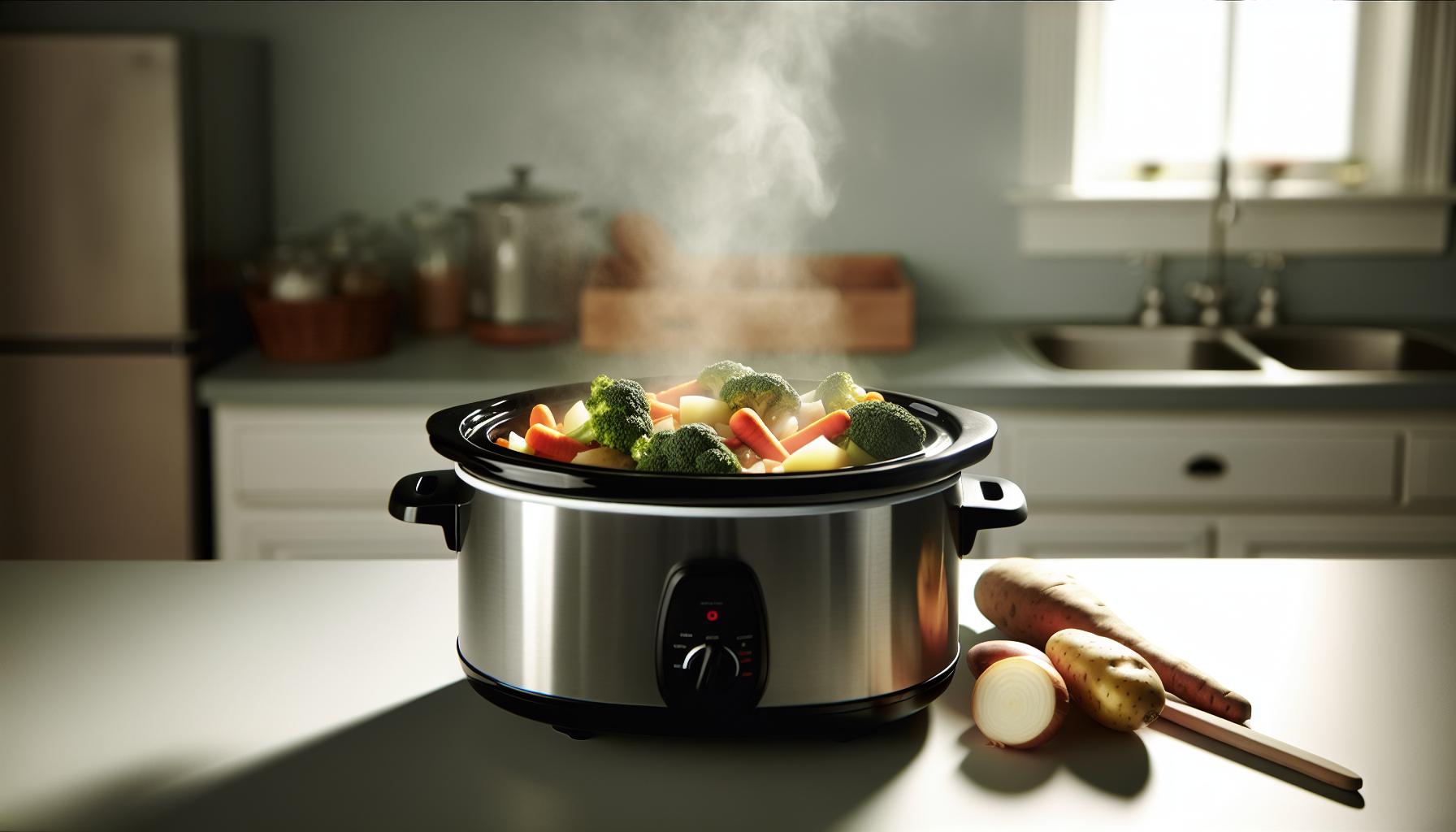
FAQ
Q: Can I add other vegetables when cooking broccoli in a slow cooker on low?
A: Yes, you can add other slow cooker-friendly veggies like carrots or cauliflower, but adjust their cooking times accordingly. Add denser vegetables at the start to cook evenly with broccoli. For tips on balancing broccoli with other veggies, check out our section on balancing Broccoli with Other slow Cooker Veggies for perfect results and flavor harmony.
Q: What is the best way to prevent broccoli from turning mushy in a slow cooker?
A: To keep broccoli from becoming mushy, add it during the last 30-45 minutes of cooking on low, or steam it separately before combining. controlling moisture and cooking time is key-our Troubleshooting Common Slow Cooker Broccoli Issues section has more handy tips for maintaining crisp texture every time.
Q: How does cooking broccoli on low in a slow cooker affect its nutrient content?
A: Cooking broccoli slowly on low helps preserve more vitamins and antioxidants compared to high heat. To maximize nutrients, avoid overcooking and use minimal water. For more on keeping broccoli vibrant and nutrient-rich, see our dedicated section in the article.
Q: Can I cook frozen broccoli on low in a slow cooker without thawing first?
A: Yes, you can cook frozen broccoli on low, but it usually requires about 15-30 minutes longer than fresh broccoli. Make sure to monitor tenderness to avoid overcooking. Our article’s Adjusting Cook Time for Fresh vs. Frozen Broccoli chapter has detailed timing advice you’ll find useful.
Q: Why does slow cooker broccoli sometimes have a bitter taste, and how can I fix it?
A: Bitter taste often comes from overcooking or using too much seasoning like garlic or soy sauce. To fix this, reduce cooking time or seasonings and add a splash of lemon juice or a touch of natural sweetener to balance flavors. Check out our Best Seasonings and Add-Ins for Flavor Boost for tasty ideas.
Q: How do I make slow cooker broccoli taste fresh rather of cooked down?
A: To retain a fresh flavor, add broccoli closer to the end of your cooking cycle (last 30 minutes) and avoid excess liquid. Quick seasoning additions like fresh herbs or a squeeze of lemon after cooking elevate freshness. Our Keeping Broccoli Vibrant and Nutrient-Rich tips have expert advice for that perfect fresh bite.
Q: Is it possible to cook broccoli in a slow cooker on low if I’m following a paleo or gluten-free diet?
A: Absolutely! Broccoli cooked on low in a slow cooker is naturally paleo and gluten-free. Use clean, simple seasonings listed in the article’s Best Seasonings and Add-Ins section to keep your meal diet-friendly and delicious with no extra fuss.
Q: Can I cook entire broccoli heads in a slow cooker on low, or should I use florets?
A: It’s best to use broccoli florets for even cooking and ideal texture in a slow cooker. Whole broccoli heads are dense and cook unevenly on low. For easy prep and perfect softness, see the how to Prepare Broccoli for Slow Cooking Success section for step-by-step details.
For more handy tips and step-by-step slow cooker broccoli guides, feel free to explore the full article and enjoy effortless, delicious broccoli every time!
To Conclude
Now that you know the perfect time to cook broccoli in your slow cooker on low-tender, flavorful, and fuss-free-you’re all set to enjoy this nutritious veggie without the guesswork. Whether you’re aiming for a quick paleo side or a gluten-free comfort fix, this method keeps things simple and delicious every time. Ready to elevate your slow cooker game? Don’t miss our easy Slow Cooker Chicken and Veggie recipes for more wholesome meal inspirations or check out 5 Quick Gluten-free Sides perfect for busy weeknights.
If you’ve got questions about ingredient swaps or prefer a firmer crunch, drop a comment below-we love hearing your kitchen hacks! And hey, why not sign up for our newsletter? you’ll get fresh recipes, slow cooker tips, and exclusive content straight to your inbox.Cooking broccoli just got easier-now it’s your turn to make it a staple in your meal rotation. Dive into more slow cooker magic and keep that delicious, stress-free cooking mojo going!
A: To keep broccoli from becoming mushy, add it during the last 30-45 minutes of cooking on low, or steam it separately before combining. controlling moisture and cooking time is key-our Troubleshooting Common Slow Cooker Broccoli Issues section has more handy tips for maintaining crisp texture every time.
A: Yes, you can cook frozen broccoli on low, but it usually requires about 15-30 minutes longer than fresh broccoli. Make sure to monitor tenderness to avoid overcooking. Our article’s Adjusting Cook Time for Fresh vs. Frozen Broccoli chapter has detailed timing advice you’ll find useful.
A: Bitter taste often comes from overcooking or using too much seasoning like garlic or soy sauce. To fix this, reduce cooking time or seasonings and add a splash of lemon juice or a touch of natural sweetener to balance flavors. Check out our Best Seasonings and Add-Ins for Flavor Boost for tasty ideas.
A: To retain a fresh flavor, add broccoli closer to the end of your cooking cycle (last 30 minutes) and avoid excess liquid. Quick seasoning additions like fresh herbs or a squeeze of lemon after cooking elevate freshness. Our Keeping Broccoli Vibrant and Nutrient-Rich tips have expert advice for that perfect fresh bite.
A: Absolutely! Broccoli cooked on low in a slow cooker is naturally paleo and gluten-free. Use clean, simple seasonings listed in the article’s Best Seasonings and Add-Ins section to keep your meal diet-friendly and delicious with no extra fuss.
A: It’s best to use broccoli florets for even cooking and ideal texture in a slow cooker. Whole broccoli heads are dense and cook unevenly on low. For easy prep and perfect softness, see the how to Prepare Broccoli for Slow Cooking Success section for step-by-step details.


